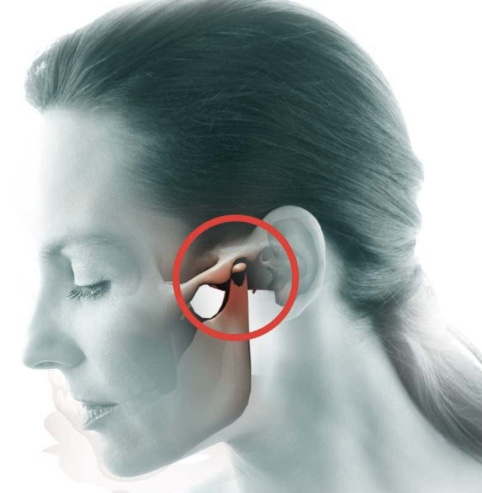
Therapeutic Massage for TMJ Relief and Jaw Pain
Therapeutic massage can help people who suffer from temporomandibular joint disorder (TMJ). This condition is also known as TMJ syndrome.
It often causes pain and stiffness in the jaw, face, and neck. In addition, it affects the temporomandibular joint, which connects the jaw to the skull.
Therefore, TMJ can strongly impact daily comfort, chewing, and even speaking.
👉 Related therapy at Healing Massage Ibiza:
https://www.healingmassageibiza.com/kinesiology-2/
How TMJ Affects the Body
TMJ does not only affect the jaw. In many cases, symptoms can spread to other parts of the body.
For example, some people may feel:
- Neck pain
- Shoulder tension
- Headaches
- Hand or finger discomfort
- Lower back pain
As a result, TMJ is often connected to overall body tension patterns.
In addition, problems in other areas of the body can also contribute to TMJ. Therefore, the condition is often linked to posture and chronic stress.
Connection Between TMJ and Chronic Pain
Recent studies show a strong link between TMJ and chronic pain conditions.
For example, people with long-term lower back pain are more likely to develop TMJ symptoms. Therefore, the body may connect pain patterns across different areas.
👉 Research reference:
https://www.ncbi.nlm.nih.gov/pmc/articles/PMC3150156/
In addition, this connection helps explain how muscle tension and stress can affect the whole body.
As a result, TMJ should not be treated only as a jaw problem, but as a full-body condition.
How Massage Therapy Can Help TMJ
Therapeutic massage focuses on the muscles around the jaw, face, neck, and shoulders.
For example, massage may help:
- Reduce muscle tension
- Improve blood flow
- Release tight jaw muscles
- Ease facial pain
- Improve jaw movement
Therefore, many people experience relief after regular massage sessions.
In addition, massage can help the nervous system relax. As a result, overall pain levels may decrease.
Holistic Approach to TMJ Treatment
TMJ is often linked to stress, posture, and muscle imbalance. Therefore, a holistic approach is important.
In addition to massage, other supportive methods may include:
- Body awareness techniques
- Relaxation exercises
- Posture correction
- Gentle movement therapy
In conclusion, treating the whole body often gives better results than focusing only on the jaw.
Final Thoughts
Therapeutic massage may help reduce TMJ symptoms and improve quality of life. However, results can vary depending on each person.
Therefore, a consistent and holistic approach is often the most effective way to manage TMJ-related pain.